If you haven’t had a chance to pick up Trailblazer, the first book in my “Baptism by Fire” series, then now is a good time, as the second, and final book in this series—for now, at least—is going to be out soon!
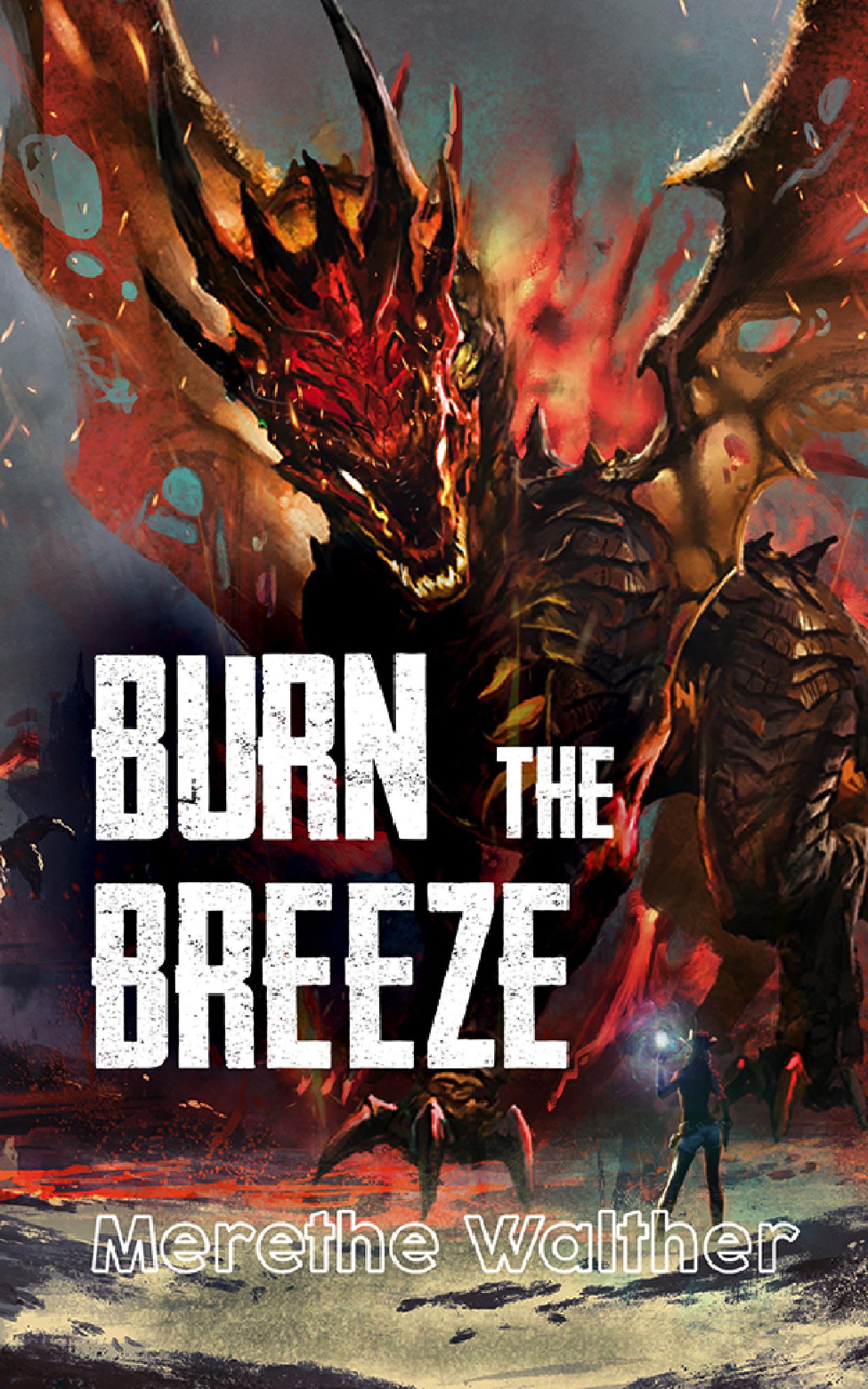
Trailblazer’s fiery conclusion, Burn the Breeze, will be released on August 15, 2024!
*cue trumpets and fanfare*
I am currently working with my incredibly talented cover artist, Thea Magerand, to get the wraps done so the paperback copies for both will be available soon—possibly even in time for release day, which I’m really excited about.
I mean, c’mon, who wouldn’t be? Her art is exceptional.
Although I was originally planning on releasing Burn the Breeze a little later in the year, I have a lot of upcoming edits for some other series I’m working on and then of course *gestures vaguely at everything* and didn’t want to chance it being delayed.
Et voila, early book release.
Both Trailblazerand Burn the Breeze will be available in KindleUnlimited and in paperback (shortly), so grab your copy of the first, and pre-order the latter today!
This is a silly-but-honest review for the book How to Fake-Date a Vampire by Linsey Hall. There will be spoilers ahead, so if you have yet to read this book and it’s on your TBR list, I suggest not reading past the marked spoiler area below.
How to Fake-Date a Vampire is the second book in the Charming Cove series by Linsey Hall. It’s a standalone cozy romance novel, so you can jump right in.
The premise is simple: Emma is a witch trying to prove herself to her coven by finding the perfect location to host the important magical soiree. Through a series of zany run-ins, she winds up agreeing to pretend to be in a relationship with the local vampire duke, Alaric. By being his “fake” girlfriend, she’ll get access to his ultra posh, ultra exclusive duchy for said magical event, and he will get to keep his beloved grandmother from finding out that his last relationship went south in a bad way following the betrayal of his ex-girlfriend, who sold family secrets to the press.
Regrettably for me, How to Fake-Date a Vampire is my first, and likely last, foray into Charming Cove. Concept wise, the story sounded promising, and I was interesting to see a light paranormal romance with a cute “candy floss” kind of read. This book, however, oversold on its main premise: That of being a paranormal romance, which was… not great right out of the gate, tbh. This book ended up being a bit frustrating to get through because of nonsensical choices, missing plots, McGuffins galore, and indecisive characters badly in need of self-agency and clear motivation/drives.
On a scale of 1-5 stars, I rated this a two, only because I don’t like one-starring books unless they really deserve it, and this one didn’t. Also, because while I have an excessive amount of gripes and snarky commentary, there genuinely were parts of this book I felt were enjoyable… even though I had to fight for those moments among the rest of the novel, which largely pancaked it, in my opinion.
I wanted to love this book—I really did. A cute, cozy romance involving witches and vampires? Count me in! However, this story almost immediately fell apart within the first 100 or so pages. There were aspects of it I did enjoy and thought were cute, like the sweet, snack-eating skunk, Penelope, who is one of my favorite characters in the entire book (scratch that, she is my favorite). But ultimately, having failed at its first and foremost promise to give us supernatural magical creatures having a cutie li’l romance, I was already in for disappointment.
(Barring Penelope, naturally. As far as magical-creature relationships go, I would have probably been more invested in reading about her budding romance with the badger familiar than about Emma and Alaric.)
At the end of it all, however, I just couldn’t get past the faults in this story and the fact that it felt like a bait and switch. I actually finished this book feeling as though I’d been duped, because this book is NOT a paranormal romance. It was actually closer to something like “dating a millionaire/billionaire” romance that the author decided to rebrand with paranormal aspects—none of which made sense. You could honestly remove EVERYTHING to do with vampires and quite literally nothing in the story would change. You could even basically remove all the witchy factors and just make it into a story about a young woman trying to get into some kind of political position in her small-town Cornwallian council by volunteering to plan the year-end fundraising shindig, and it would actually have made MORE sense.
None of the paranormal elements in this story were foundational to the plot, and it was painfully apparent from the get-go. If you can remove/shift entire portions of a book and it’s not only still functional and sensical, but also IMPROVES upon the premise, then you’re writing the wrong book.
I cannot stress enough how unnecessary the “paranormal” parts of this book were.
SPOILERS AHEAD! You have been warned!
Ultimately, there was no reason/necessity/purpose/wherewithal/logic/you name it, behind suggesting that Alaric was a vampire. He could have just been “some duke” and the story would have soldiered on without a hitch. I say “suggesting” vampirism because the author didn’t just eschew traditional vampire tropes or try to subvert them to better suit a cozy romance, she simply… removed them entirely.
Does a rose by any other name still smell as sweet? Perhaps. But could a vampire who is basically just a rich human still be a vampire? …No. No, he cannot.
Alaric is a “vampire,” which in this world means that he is essentially human—but with fangs, I guess? I mean, I don’t recall a single time in this entire book that they even mentioned his teeth—except to say they retracted when he wasn’t drinking blood—which was basically 100% of the time. He never really drank any blood, and you don’t “see” his fangs or any vampire’s fangs. Ever. He has the same lifespan as a human; he is born, and dies, just like a human. He has a grandmother and an aunt who are vampires. None of them are preternaturally stronger, faster, immortal, or any other trope that would make sense in a paranormal world of magical realism. They can go out in sunlight without problem. No religious qualms—heck, they even have a family bible! They eat regular food. They don’t have any “Bat!” abilities or mist powers, and though it wasn’t brought up in the book, I’m fairly certain they can’t summon wolves at will or illicit mind control over human beings, either.
Alaric doesn’t have to want to kill/eat our protag, but c’mon! Who’s reading vampire romance without hoping for a little bit of vampy sexiness? The author could have just as easily named Alaric “Bruce Wayne,” because his only actual superpower is that he’s exceptionally wealthy and has too much time on his hands to brood and come up with elaborate ruses following his parents’ deaths when he was a boy. His biggest concern is what he believes to be his grandmother’s failing health, but it turns out she was just not sleeping enough at night because she was binge-watching TV—as though she’d only discovered the talkies this century. This is in spite of the fact that, as I mentioned, these vampires are not immortal, so she’s only like 60 or 70 something. Also—she’s a vampire??? I thought staying up at night without having to worry about morning people was one of the perks, and yet her sleeping in until 10:00-11:00 a.m. gave our boy Alaric pause enough to be concerned over her health to fake a relationship with the first eligible woman of convenience he meets. He is literally only fake-dating Emma to begin with because she was… there.
The premise was… flimsy, at best, but I rolled with it because I wanted to give it a fair shake and let it find its footing, but I really should have just stopped there, because it soon became obvious it wasn’t going to be the book I’d been promised.
Moving on to our girlie protag, Emma: I simply could. not. like. her. I tried—I swear I did!—but she was so wishy-washy, it felt like my head was on a swivel while I tried to figure out her intentions and desires at any given time. What were her motivations outside of preparing for the witch ball? I still don’t know, and I finished the book.
She’s written in the tropes of a girl who is: “beautiful but doesn’t pay attention to how gorgeous she is,” and “despite being so pretty, apparently the male lead (ML) is the only man to ever notice just how blindingly hot she is and act on it.” Truthfully, I was glad (at first) that she didn’t get stuck with the “insecure about my beauty and has to be assured by the ML that I’m actually supermodel material” persona, but don’t worry, that was there too—it had just been translated to: “I’m secretly a super powerful witch, but I don’t believe in myself because darn it if I don’t just mess up everything and have to constantly have my self-doubt assuaged by others assuring me I’ll be a great witch someday for sure!” Her motivations were the most complex part of this story—but only because everything was so one-dimensional on her end that I couldn’t understand what drove her to do anything except accomplish the witch ball. She doesn’t want money, and therefore doesn’t want to marry a duke, but then she falls in love with him and gets engaged. She doesn’t like the mansion Alaric lives in, but ends up wanting to live there all the same, even though she preached against the size/wastefulness of it for 75 percent of the book. She has deep-seated issues with wanting family after growing up as an orphan, yet consistently fails to recognize the very supportive found family she does have until like, 90 percent of the way through the book. She is frustrated by her lack of ability to do extremely simple witchy things, yet is stubbornly confident in her assertion that there’s no obstacle that she can’t overcome with her magical skills. She has a major negative connection to Alaric’s deceased father that has haunted her since she was a little girl (more TK on that), yet she gives all of that up effortlessly the moment it’s necessary for them to put aside their differences for the sake of pushing the plot/relationship forward.
Emma’s beef with one of her coven members is a prominent point in the story, as this girl, Lily, happens to be her main rival. Although they never actually resolve anything, they end up as “begrudging” acquaintance-frenemies, even following part of the story where a paparazzo is sniffing around looking to question Emma about her relationship with the duke. Our girl confronts Lily post-haste—on more than one occasion!—to ask her outrightly if she’s the one who gave up the information. While it turns out that Lily did not sink that low, it’s never actually revealed who did or if the guy was just really good at snooping. He just eventually went away, because… magic, or something? It was like the author forgot about the potential consequences and the character entirely. There is even a major plot hole wherein the paparazzo questions Emma about the authenticity of her relationship with Alaric, which means someone told him they were only “fake” dating (even though they’ve had sex by this point, so are they really???), and the kicker is that only Emma, Alaric, and Emma’s bestie knew about the “fake” part of their relationship—literally no one else in the entire book knows. DUNDUNDUN! Is this ever addressed? Nope, it’s just… it just goes away quietly. Personally, I was hoping for the bestie to be secretly jealous of her friend’s budding success in the coven, as well as her dating/falling in love with the excessively rich and handsome duke, which spurred her to leak the romance deets to the press, given that this is a common theme in the book. Then, upon seeing the distress she’s caused her friend, she would be overcome with the need to make things right and stop the paparazzo when he causes trouble for them, but no… he just goes away. The tabloid paper he works for is never mentioned before or after this brief interlude, even though the fake relationship wasn’t the horrible truth the duke was hoping to hide from his grandmother. That’s still out there, just suspended by yet another off-screen McGuffin in the form of some kind of magic spell that makes the news people leave him alone.
All’s well that ends, I suppose?
There were many subplots within this story—none of which required paranormal situationships, btw—and all of which could have been resolved in a pretty mundane, nonmagical manner with the heinous amounts of money Alaric’s family has in his duchy.
9 major problems that went against the story’s grain and genuinely frustrated me as a reader:
Emma was raised as an orphan and resents the hell out of the man who rescinded funds from her care home as a child—this just so happens to be our ML’s dad. In my opinion, there was literally no reason for this connection to be in the story. It added absolutely nothing but a plot point to tie up in the weirdest way possible: by which I mean she eventually admits how she knows of Alaric’s father; he explains that his father was a bad dude; she forgives him; they suck each other’s faces. Lifetime of pain, or a hot rich dude? Which would you want to hold onto?
The paparazzi/leaked family secrets/evil ex plot line just disappeared altogether. I was hoping for a showdown between the evil ex and Emma, but the ex was yet another McGuffin to motivate the story and our boy Alaric’s broodiness, much like his grandmother’s perceived failing health.
Alaric seemingly forgets his worries over his grandmother’s health once he finds out she’s got a case of the internet binge streamies and ignores altogether that her life is likely to end soon even if she isn’t sickly. I don’t know why the author apparently forgot that the vampire powers she afforded in this world equate to basically nil, and that as an elderly woman somewhere north of 60 or 70 without an extended/immortal lifespan, it’s entirely possible she’ll pass on in the next few years. Alaric was raised by this woman, and goes to extreme lengths to keep her happy—yet fails to realize that she’s not exactly the spring vampire chicken anymore. If he was already upset about her failing health when she was perfectly fine, what will he do when she actually is sick? This issue is never addressed. I guess we choose to live in ignorance a little while longer?
Emma and Alaric are “fake” dating, but literally fall insta-in-love, and this is somehow a subplot. Oh, and the subplots in this book 100 percent sidelined the main romance at every given opportunity. It doesn’t even make sense how quickly Emma and Alaric fell for each other (which is saying a lot in a romance novel), and then how little encouragement they needed to get into bed together. The whole while, they are each professing their pending break up to each other and simultaneously confessing to their important people (Emma’s bestie, Alaric’s grandma) about how they might actually be in love.
The witch’s ball was a poor plot motivator that somehow managed to take up the most time in the book, putting the romance elements on the back burner. I love a good plot-driven story, but this premise was so flimsy as a means of connecting the two lovers that it ended up actually detracting from the romance and all the subplots that came with it—like dealing with the “joy batteries” and the ghost side quest. I was still hoping for some bestie sabotage by this point, because every time something went wrong with the witch’s ball, Emma’s bestie was there—but only to provide support. For example, Emma and the bestie are gathering the “joy batteries” necessary to collect magic at the ball to work spells for the coming year—it’s a big friggin’ deal. They go out to the garden shed, where they discover that all 100 or so have been broken. This is a devastating moment, because they’re kind of intrinsic to the ball’s purpose. Yet, bestie is quick to point out that it looks like the work of gophers, which is a giant leap and was suspicious AF to me, but Emma never even questioned her logic. I, on the other hand, had a lot of questions, like, “Why does the bestie seem to easily recognize the bizarre situation wherein a bunch of critters busted into the shed, broke a joy battery, got high on ‘joy magic,’ and then smashed the rest for fun?” and “Are you telling me that they didn’t put a concrete base under this garden shed and it’s just a dirt floor, which means that their most precious resource for magic is easily accessible to being destroyed by either a human with a shovel or a curious creature with tiny paws?” or, “Why would they keep something so important in a shed in the garden, and if they have magic keeping the door locked, why wouldn’t they have magic around the entire shed to prevent this very thing from happening?“
All “conflicts” were either unresolved or needed no resolution because they were solved virtually within moments of occurring or really represented no threat to the underpinning story. I understand it’s a cozy romance, but we know the HEA is coming at the end, so it’s fine to introduce a little more spice and situational danger to raise the stakes (buh-dun-tssh). The introduced conflicts were the equivalent of eating a meal with absolutely no seasoning.
On the subject of “spice”… this book would rate a 0.5 out of 10 for me, as there was next to none. Cozy roms are frequently about the build-up to rather than the finished product, but… this is a paranormal romance, which carries its own genre-setting rules. Honestly, I cringed through most of the first sex scene, just because it was extremely awkward and contrived, barely lasted for a few paragraphs, and happens to be the most sex you see in this book. Other scenes are literally fade to black. Again… I know this is a cozy romance and it’s not going to be paired next to Anne Rice or Laurell K. Hamilton or Kelley Armstrong, but this is supposed to be a paranormal romance, and therefore should have at least rated as jalapeño on the Scoville scale.
The main characters themselves were fairly unlikable/unremarkable, and the eleventh-hour breakup was as predictable as it was short lived. The icing on the cake was that the silly miscommunication behind it made me dislike the characters all the more. How can you turn on someone that quickly without even speaking to them about it? Rational adult concepts were completely out the window. And more importantly, why would Emma want to get back together with Alaric after his behavior? By this point in the book, he’s shown this disturbingly petulant, crappy attitude to her on multiple occasions and lashed out easily when he was mad. I can oftentimes overlook red-flag men in romance novels (who among us hasn’t hoped for the reformed bad boy?), but this… this just seemed like the sort of thing he’d keep doing forever—or however long he lives since he’s not immortal. He wasn’t so much exhibiting a single bad behavior as he was showcasing an entire flaw as his personality. Even toward the end when he’s trying to win her back, he never “grew” as a person—vampire, whatever—he just used his money to buy Emma’s forgiveness, which was… ick. I was almost rooting for her to break up with him by the end and focus on her career in the coven, because that goal was the one singular motivation that remained constant throughout the story.
All of the paranormal aspects of this had to be cobbled together a bit clumsily to make all the other paranormal aspects work. I genuinely felt at times like the author forgot about the vampires altogether and hoped that we would, too. BUT WE DIDN’T FORGET.
Ultimately, I didn’t hate this book, but I really, really struggled to get past the above glaring issues. There were some moments in there that were cute, but these were far superseded by how hard I had to work to enjoy them. All in all, this is a rich-guy romance; not a paranormal one, and would have benefitted to be written as a modern-day nonmagical story without so many elements interfering with the main plot. I do encourage you to read How to Fake-Date a Vampirefor yourself so you can meet Penelope, our stink queen, a gem of a skunk among the crack-addled gophers eating joy in Cornwall.
His advice sounds extreme, but really, I can’t blame him.
Are these two homophones really so confusing? Short answer, yes. Consider this duo a pair of near-identical twins that enjoy pranking people by pretending to be each other, and then making you look foolish when you call them the wrong name. There are very few words in the English language that make me believe they’re actively trying to mess with people, but these guys just give off that energy.
As both a writer and editor, the “affect/effect” debacle is something I stumble across often. In order to understand how and when to use each of these words correctly, it’s important to understand the ways in which they are different—despite how similar they appear on the surface.
Affect: Ironically, if you look at the definition for this term from the New Oxford American Dictionary (NOAD), the first use term they list is, “to have an effect on; make a difference to.” Effect: NOAD’s first term for this entry is, “a change which is a result or consequence of an action or other cause.”
These definitions might not appear to be helpful if you’re trying to consider the proper usage for this word in a sentence, but this actually conveys a simple—and important—difference that can help you use them more…
“Affect” is a verb—meaning it conveys action, or is influencing something or someone. It is an active word—something that is happening to the subject. “Effect” on the other hand, is a noun—usually used to denote an outcome or concept—it’s the thing being impacted or the outcome or result.
As a wise person once told me: Affect = f*ck around Effect = find out
The subject must be affected (e.g., impacted) to change the effect (e.g., outcome).
With this in mind, here are a few examples for how to know when to use affect or effect in your writing:
“Last night’s storm continues to affect many families, as downed power lines leave hundreds without electricity.” “Those affected by the storm can seek assistance at town hall.” —“affect/ed” is the verb used to denote the impact of the storm on families or people.
“The effects of last night’s storm continue to affect many families, as downed power lines leave hundreds without electricity.” “Those still feeling the effects of the storm can call this number for further help.” —“effects” indicate the results of the storm (e.g., the damage it caused) that is still impacting—or affecting—families.
“The effects of corporate profiteering on lower-income individuals can be easily tracked by shopping trends.” —“effects” are the results being tracked.
“Consumers affected by corporate profiteering spend less money, and companies are starting to notice the economic effects.” —“affected” indicates that it’s impacting the subject (consumers), while “effects” refers to the outcome (e.g., economic issues).
“You may experience side-effects from your new medication.” (effects=results) “The medicine affects everyone differently.” (affects=impact)
Some bonus tricky examples you probably won’t run across frequently (but might be fun food for thought):
“How long before the medication goes into effect?” —“effect” is walking the sticky line between noun and verb. However, it is still more of a noun, given that it represents the concept of the outcome, which is whether or not the medication is working.
“Everyone must be willing to take steps to effect change.” —“effect” is used similarly to a verb.
“The suspect maintained flat affect during the entire interview.” —“affect” more closely represents a noun, and is pronounced a bit differently: “aff-EKT” rather than “AH-fekt.” This is because “reduced affect display” or “flat affect” is a medical term to describe “emotional blunting,” or the inability of a person to display emotions that should be present when speaking about topics that generally effect an emotional response.
Hopefully, this helps clear up some issues, but don’t feel bad if you still confuse these from time to time. While I wouldn’t recommend avoiding affect/effect for the rest of your life, I certainly won’t judge you for choosing a different word!
It’s been a busy year for me so far, which is somewhat exhausting given that it’s not even March yet. I’ve had a lot of stuff going on, some good, some bad, so keeping up with my blog has been a chore I’m slacking on.
But have you heard the good news? This one’s a two-fer!
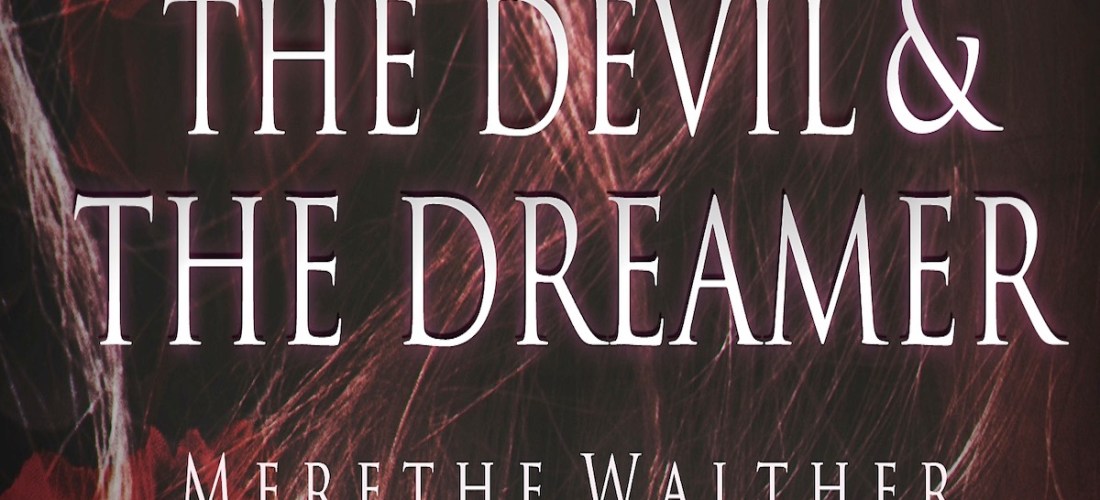
The Devil & the Dreamer, the sequel to The Witch & the Wolfwood, released on January 31! Pick up your copy and find out what became of Iris and Helena, and what secrets get revealed about the true origin of Helena’s powers.
In upcoming events, Trailblazer, my novel with magic and gunslingers in a western-like land without mercy, is set to release soon, and I’ll have more information available in the coming months.
A little sneak preview from Trailblazer to whet your appetite:
“Humans wouldn’t stop killing our kind. Verygg—you’ll learn about her in Whitebird Hollow—she was a powerful calamity. Split the land to make an impassable gap between us and them. Scorched the sky and broke the earth in two. Sacrificed herself to save all of witchkind.”
“Then how come witches don’t stay in Whitebird Hollow, where it’s safe?” asked Wini, perplexed.
Dahlia’s brows drew downward. “Because when you build yourself a place of safety but you ain’t allowed to leave, that’s not a home—that’s a cage.”
How are your writing projects coming along?
I’ll be updating in a couple of months with some news about Trailblazer’s sequel, so stay tuned!
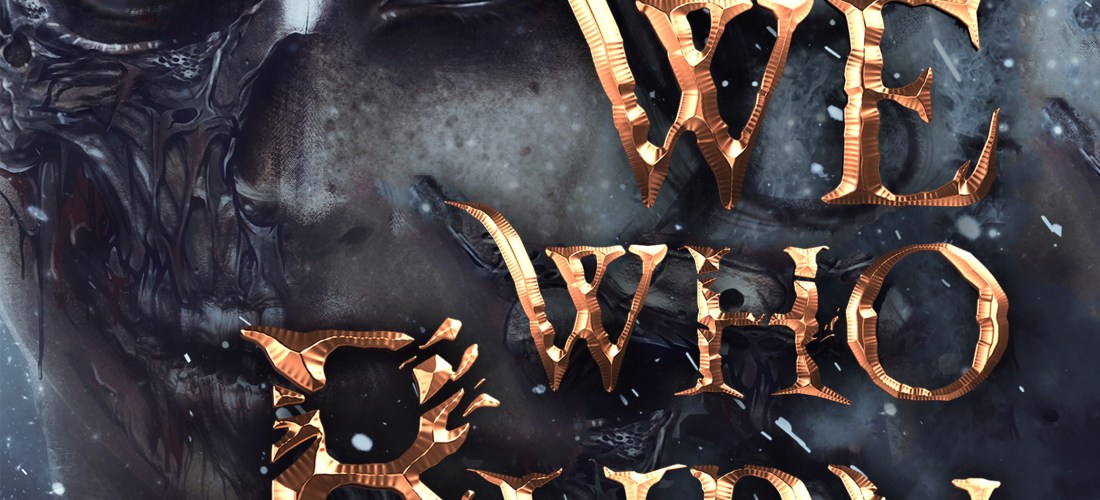
It’s been just over a year since We Who Burn, my epic necromancer fantasy, was released, and in that time it’s gotten a lot done! On top of receiving a five-star award from Readers’ Favorite, it’s now also available on Audible, and it sounds absolutely amazing. The even better news is that if you’ve already purchased the Kindle ebook version, you can get the audiobook for a discounted price (or use your regular Audible credits). I don’t know about you, but I love saving money, so I consider that a win-win. My narrator, Jonathan Waters, did an excellent job of bringing these characters to life and really giving them a three-dimensional quality, so I know you’ll love listening to him.
If you like magic, tales of revenge, steamy romances, and twisted gods, then you’ll definitely want to pick up your copy here, or purchase it through Amazon.
It’s been a while since my last post, and I’ve got some news to share!
The first is that my book Trail Blazer, will be out soon!
Trail Blazer is a weird fantasy western and book one of a duology, and my main character Dahlia was an incredibly fun person to write, so I can’t wait until you get to meet her on release day.
The second big piece of news is the announcement of book two in my LGBT+ urban fantasy novel series, “Lies & Legends,” which focuses on Helena and Iris’s continued journey after the dire events of book one, The Witch & the Wolfwood, which released March 30, 2021.
Book two, titled The Devil & the Dreamer, will be finished soon and should be available to order by the end of 2021 or the beginning of 2022, which means you won’t have to wait long at all.
And lastly, I was incredibly proud to have earned a position as a semi-finalist in the Writers of the Future contest (first quarter of 2021) for one of my short stories. I got some truly inspiring advice on my work from David Farland, which was an incredible experience.
I hope everyone is staying safe out there! Keep an eye out for future reveals of book covers and release dates.
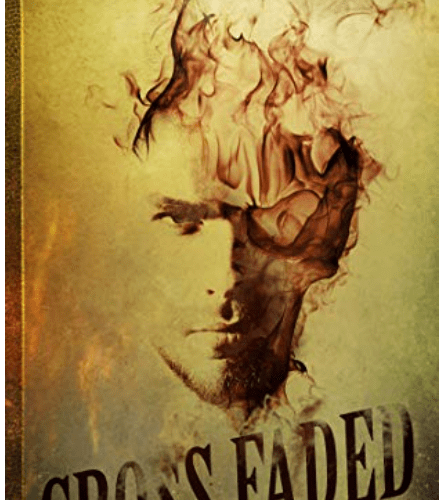
The last thing Ezra Ashford expected to see in his apartment is a woman in medieval armor hunting a scarab the size of a Great Dane. But being an addict can do terrible things to the brain, and while he’s no stranger to hallucinations, this seems a little too real to be just in his head. Despite the woman’s warnings for him to forget everything he’s seen, Ezra’s once tepid existence is quickly overwhelmed by bizarre monsters. From the siren in his local bar to the fly-faced man packing fish at his day job, he can’t seem to stop seeing these creatures everywhere. Ezra can’t tell if he’s burned out or if he’s going crazy like his mother did years before. And doing what comes naturally to him—getting high to forget it all—isn’t working either. Ezra soon finds himself in a turf war between two rival dealers that lands him directly in police crosshairs, wanted for arson and murder. The harder Ezra tries to ignore his problems, the more abysmal things become. And the threat grows substantially graver once he finds out that an ancient monster, Bandon, has taken a sudden and irrevocable interest in him; and that all the others he’s taken a liking to have disappeared to parts unknown, never heard from again. After a lifetime of running from his problems and chasing down his feelings with every new high, Ezra feels powerless to stop his downward spiral out of control. Lost in a world he feels rejected him and plagued by monsters that may or may not be in his head, Ezra must try to find out what’s happening before it’s too late and his personal demons end up consuming him completely.
Cross Faded is the first of one of my new urban fantasy series, and just came out on May 4! You can get your ebook copy at Amazon for only $2.99.
I’ve been writing since I was a little girl. Mostly, I would just draw pictures and follow my mother around the house and tell her the stories I’d come up to go along with them and be ecstatic when they went on the fridge. I was also a voracious reader, but I was never content to only read; I always wanted to create. I didn’t know what writing was, really; I just knew I had stories to tell.
Writing wasn’t about plotting or world building when I was young; I just wanted to put all my ideas down.
I used to write stories for my friends and then leave them on cliffhangers for weeks while I figured out what came next.
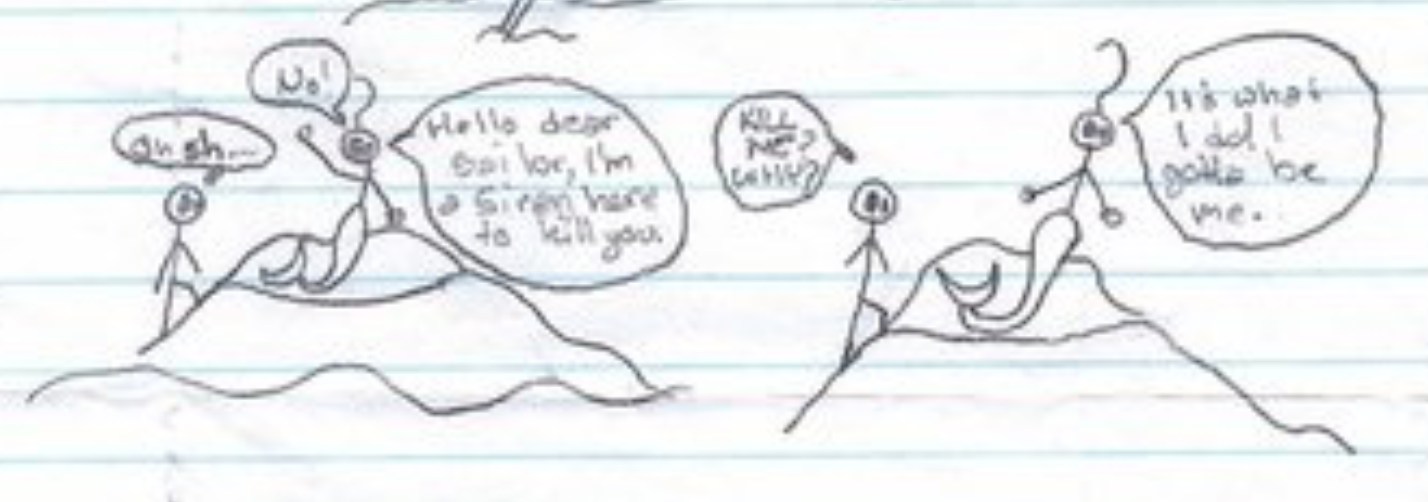
In high school, I was the editor for the paper and wrote several articles. I created “Stickman! The Series!” which was an ongoing comic I passed out to various people in my classes. It was filled with dark humor and constantly skirted the safety of a PG-13 rating in every issue. By the end of my senior year, I was making a handful of photocopies in the library because people I’d never even met before had read it and wanted more.
“Hello dear sailor, I’m a siren, here to kill you.”
“Kill me? Why?”
“It’s what I do. I gotta be me.” (10th grade humor. You’re welcome.)
But through all of this, I never once had much doubt about my ability to write. It was just something I did.
Writing was as much a part of me as breathing. But without knowing why, I knew I wanted to get better. So I started researching how to write. And this is where I hit my first real hurdle and my lack of skills became self-evident. My talents were raw; they were unformed clay next to master sculptures. I saw the divide, and for the first time, it bothered me that I wasn’t a better writer. It was like seeing color when I never even knew I was colorblind to begin with. But I was still excited to dive in and learn, so I did. I started reading everything I could find on how to be a better writer.
But the more I learned about writing, the harder it became to write. As technical concepts starting taking root, it felt like my knowledge was actually ruining my ability.
Before, I wrote what I wanted, completely in the dark as to whether it was good or not. But the more I took in, the less the words seemed to flow.
No one ever tells you that self-doubt isn’t just a natural instinct you get handed the first time you put a pen to paper. It’s a creeping sensation that comes out of nowhere. Like walking into a classroom you’ve been in a hundred times before and realizing that something seems different. The desks have been rearranged. You’re not by the window anymore. You have a new seating chart and your buddy is this prick that constantly asks what you’re working on and then compares it to everyone else’s work to make you feel bad.
And when you start to understand the technicalities of what you’re doing (or not doing, as the case may be), writing isn’t “easy” anymore. It’s not comfortable. It’s not fun. It’s a jerk that looms over you and keeps whispering, “Just quit already.”
So what happened? How did you get dejected from Paradise and sent crashing into this new world? Are you actually a bad writer?!
The moment you become self-aware, your brain is not going to take it easy on you. Suddenly, all those books you loved before aren’t just for you to enjoy. They’re also a model of everything that you aren’t, and that you may never be. And when you compare yourself to them, you’ll feel incredibly foolish for even trying.
By the time I graduated, I was exhausted from “creating” on demand. I shelved many of the books I’d started because I literally got sick of them. I was tired as hell of writing. I had more doubts about my abilities than when I’d started. I was scared of what would happen when I actually finished my novels. When I tried to publish. Would everyone hate it? Would they tell me that my efforts were incomprehensible garbage?
This fear compelled me to quit writing for a little while. I threw myself into work instead and got a position as an editor with several indie publishers. I doubted myself for choosing writing as a college major. I wrote only enough to keep the hinges oiled, and considered jobs outside of my field. But then I got a job with an online magazine as an editor and writer. Inside, I hoped the writing portion wouldn’t come, and for a few months, I got my wish. I was a writer who was afraid to write. The fear of how I would be received had crippled me.
The first time I was assigned an article, I had a full-blown panic attack. I had to get up and walk away from the computer because I was petrifiedof writing again, especially for a widespread audience. My biggest writing credits at this point were publications in my college newspaper and some minor poetry anthologies.
But I knew, under the fear, that I wanted to do it. And that I wasn’t going to let anyone—least of all me—ruin it. I decided, pass or fail, it wouldn’t be because I gave up.
I wrote the article. It took hours. I hated every minute of it. I was convinced it was the worst drivel I’d ever produced. But when I was done, I realized that I’d written. I’d gotten through it, and I could breathe again. Sending it in to the editor was like a weight lifting off my chest. Then came the next assignment. And the next. And before I knew it, I was writing 4-5 articles a day on a variety of topics. And so I stopped focusing on the technical aspects of how to “craft” everything. I focused instead on the writing. I had a job to do; I had to produce. So even if it still terrified me, I did it.
Before I knew it, I had written over 200 articles.
And while this was going on, I discovered the drive to just sit and write. I stopped self-editing so much; stopped telling myself I couldn’t do it. I let the technical aspects I’d learned guide me, but I put down the story I wanted to tell (reminding myself every time that I could edit later), and suddenly, writing was happening again.
I think I repeated Terry Pratchett’s quote, “The first draft is just you telling yourself the story,” like a mantra, whenever I felt like I couldn’t make it.
In late 2015, two years after graduation, I finished writing my first soft sci-fi novel, Mercury in Retrograde. I edited it for months, waffled on my resolve, and then finally wrapped it up and researched query letters. And even though I felt that same doubt that said I wasn’t any good, or that no one would like it, I sent it out. I cried because I thought it was the dumbest thing I’d ever done.
Just over a year later, it was published. And just over a year after that, it got silver in a book awards contest. And even now, knowing what I know, the voice in my had still tells me that it’s not good enough. That I’m not good enough.
The hardest part of writing is the deceptive idea that it should be easy. That it should always feel fun, and that if you’re struggling, it’s because you’re a hack. But this simply isn’t true.
Writing is an exercise. A mental one, sure, but you’re working out muscles you may not even know you have yet. It’s going to hurt quite a bit before it gets better. And just like anything in life, you can either use it to make you stronger, or you can cave in and let it smother you.
Don’t focus on your fears. Focus on what you can control. Don’t wait for inspiration; make inspiration happen. Sit down, write that novel.
Don’t worry about what people will think of your book. Write the story that you want to tell; edit it later.
The voice in the back of your head is never going to be satisfied, even when you exceed what you thought was ever possible.
“Indie authors… there’s a reason none of them have been traditionally published. Most of them need to…leave the writing to the writers who are actually good at it.” — Actual quote from a book group I’m in.
When it comes to writing, criticism is easy to come by but difficult to receive. And given that writers are a notoriously delicate, brooding bunch, it’s not hard to understand why sorting through the criticism chaff to get to the good advice wheat is one of the hardest things to do as an author.
You’ve created this book baby. You birthed it from your own head, fed it all of your fears and hopes and dreams, watched it grow, helped it overcome obstacles and form into a coherent being… and then handed it over to a group of people with eager red pens and asked them to tell you all of the ugly, bad things that are wrong with it.
It’s one of the hardest things you’ll ever do. It never gets easier, no matter how many times you go through it.
And if that weren’t enough, you have to keep going through this process, day in, day out, for the rest of your life, facing criticism, backlash, and yes, bad reviews. And some of these reviews might be nothing more than a misunderstanding or someone who is the polar opposite of your target audience buying the book and making your day suck, but some might have valid points. And those are the ones that will really keep you up at night, wondering if you’re a crap writer after all.
In the writing world, some people are so incredibly eager to cut down someone else’s book, it’s astonishing. And many of these unhelpful remarks get unfairly pointed toward indie and self-published authors by people who have never written a book themselves (or take their job as an indie book reviewer a touch too seriously). It’s completely, totally, unabashedly unfair.
And it’s also an accusation that’s fully baseless.
Just because a book has been published by an indie or self-published author does not automatically make it crap.
It doesn’t mean that the book couldn’t stand the test of going through a traditional publisher. It doesn’t mean that it’s not any good and shouldn’t ever be read. And it’s not even just readers that have this unfair bias against indie/self-publishers. It’s also other writers who look down their noses at self-publishers with scorn because they haven’t “passed the trials” that other writers had to.
“But,” you might say, “there are some really, truly, 100 percent awful self-published books that the writer had no business sharing with the world.”
To be perfectly honest, I agree with you. Some of the self-published books I’ve seen and edited are so bad they could curdle milk. But does that bring down the self-publishing market for everyone? No. Does it flood the market? Sure. Does it make it more difficult for your book to be seen? Not if you’re marketing, no.
That’s like saying because some indie movies sucked, that all indie films are awful and lesser than their blockbuster compatriots and not worth watching. But this isn’t true. Amazing indie films get released all the time while the not-so-great ones continue to pour in around them. That’s just the creative process. And once upon a time, your favorite director or author might have been down among those “lesser” indie creations, trying to learn how to get better.
It’s the same thing in the book market. The only reason that you might struggle to make room with indie or self-published authors is if you’re publishing through Amazon’s Kindle Direct, which encourages everyone to make their books as cheap as possible… But that’s another discussion entirely.
The truth is that traditional publishing doesn’t rest entirely on the merits of your work. Maybe you really struggled to get the words out in your query letter and the reader trashed it immediately. The agent or reader might just have a migraine and not really focus on your work that day. They could read literally the first line and hate the way you’ve introduced your character without reading further than thirty words into your entire 80,000-word manuscript.
This is 100 percent a real issue. I have talked to agents and publishers I’ve met at conventions about this. Yes, it really happens. There is literally nothing more inspirational than remembering that Harry Potter was rejected by publishers twelve times before a kid ended up reading it and loving it. But these stories of inspiration are few and far between, and it’s usually rejection for the majority of writers trying to get their work seen for a myriad of reasons — only a small portion of which might be their actual work.
In the real publishing world, it isn’t just that you’re competing with other writers and vying for that golden pedestal position. It’s a battle against timing, opportunity, and sheer dumb luck. Sometimes you’ve got a great book but you can’t get it in front of a traditional publisher. Maybe they aren’t accepting unsolicited manuscripts. Maybe they’re not accepting new work, period. Maybe they’re full up on the genre your book is written in and don’t have plans to publish more for about a year.
An indie author’s writing and effort aren’t the only things affecting their rejection from traditional publishers. And when you want to publish your book and your traditional options are limited, it’s great to know that there are hundreds of indie publishers with great authors and support staff that can fit your needs and get that wonderful story out to the world at large.
For others, self-publishing is the best way. Sure, it costs more money up front, but it gives you complete control over your book’s content and production, marketing, and even art choices. Plus, there’s no one to split royalties with!
So next time you hear someone suggest that indie and self-published authors are all failed writers who couldn’t cut it, remind them that they didn’t stop watching movies even though they’d seen a few bad ones. We all saw The Phantom Menace, and yet somehow Star Wars is still hugely popular.
Don’t judge non-traditional writers on the failures of others in their same field. Give them a chance. Who knows? You might just find a new favorite author you never knew existed before.










 merethe walther
You must be logged in to post a comment.